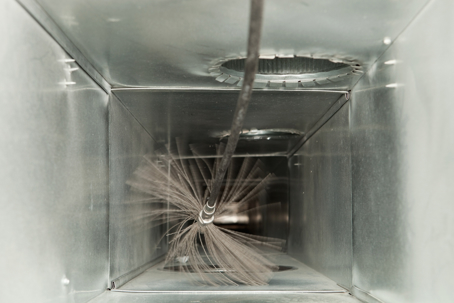
If you have been putting off duct cleaning while your energy bills creep up a little more each season, you are not alone. Many Brunswick County homeowners see duct cleaning as one of those “someday” projects, especially when the system still turns on and off like it should. The problem is that the costs of waiting rarely show up all at once, so it is easy to miss what is really going on.
In our area, air conditioners run hard through long stretches of hot, humid weather. Salt in the coastal air, fine dust, pet hair, and pollen all move through the same ductwork that feeds every room. Over time, that combination changes how efficiently your system moves air, how clean that air is, and how often parts wear out. All of that has a price tag, even if it is spread out over months and years.
At A+ Heating & Cooling – Electrical, we work in Ocean Isle Beach and communities across Brunswick County every day. Our certified technicians spend a lot of time inside attics, crawl spaces, and closets, looking at the duct systems most homeowners never see. Because we use upfront, book-based pricing for our work, including duct cleaning, we can talk honestly about the cost of cleaning compared to the much higher cost of ignoring those ducts year after year.
Why Dirty Ducts Cost More Than You Think In Brunswick County
Most people think about duct cleaning only when they see dust around supply registers or notice a little buildup on ceiling vents. It feels like a cosmetic issue, closer to housekeeping than to real HVAC maintenance. From what we see in Brunswick County homes, the condition of your ducts is much more than a matter of looks, and it can have a direct impact on what you pay to heat and cool your home.
Your ductwork is part of the HVAC system, not just a set of hollow tubes. Every foot of that metal or flex duct offers some resistance to the blower that is trying to push air through it. When the inside of those ducts is coated with dust, pet hair, and construction debris, that resistance goes up. The system has to work harder to move the same amount of air, and that extra effort shows up first as longer run times and higher power usage, not as an immediate breakdown.
Brunswick County’s coastal climate makes this problem worse. We have long cooling seasons where air conditioners run for many hours a day, often from spring into fall. Our humidity means more moisture in the air, which can cause dust inside ducts to clump and stick. Salt and fine sand from the coast can also get pulled into homes and settle in the ductwork. All of that can add up faster here than it would in a cooler, drier region.
When you look at the cost of not cleaning ducts, you have to think beyond the cleaning invoice you avoided this year. You are trading that one predictable cost for three less obvious categories of expense. These include higher monthly energy bills, more frequent or more serious HVAC repairs, and health related costs that come from breathing air pulled through dirty, sometimes damp ductwork. The rest of this article looks at each of those in real terms, based on what we see every week in Brunswick County homes.
How Dirty Ducts Force Your System To Work Harder And Use More Energy
Every forced air system depends on one basic principle. The blower pulls air from your home through the return ducts, sends that air across the indoor coil to heat or cool it, then pushes it back through the supply ducts into each room. The easier it is for air to move through that loop, the less work the blower has to do. Dirty ducts interfere with that loop by increasing what we call static pressure, which is the resistance to air moving through the system.
As dust, pet hair, and other debris collect inside duct runs, especially on turning vanes and at branch points, the effective opening for air to pass through gets smaller. Think of it like cholesterol building up in arteries. The blower still tries to move the same volume of air, but it now has to push against more restriction. That higher static pressure reduces overall airflow across the coil and into rooms, so each cooling or heating cycle takes longer to reach the set temperature on the thermostat.
Longer run times mean more energy used for the same result. In a Brunswick County summer, when your air conditioner may already be working hard for much of the day, even a moderate drop in airflow can translate into noticeably higher kilowatt hour usage over a season. We often see systems in Ocean Isle Beach and surrounding communities that run for far longer than they should simply because duct interiors are coated with years of buildup that no one has addressed.
There is another side effect. When airflow drops, air can move too slowly across the indoor coil. That can lead to temperature imbalances, causing parts of the coil to get colder than they should, or in some cases to form ice. The system then has to work through defrosting or shutting down temporarily, which wastes even more energy. Clean ducts, sized correctly and kept clear of debris, help maintain the airflow the equipment was designed around, which keeps run times and energy use closer to where they should be.
When our technicians inspect ducts, we do not guess about this. We use current industry technology to measure airflow and static pressure at the equipment and, when needed, at key points in the duct system. That gives us hard numbers on how restricted the system has become. From there, we can talk with you about how much extra work the equipment is doing and what role duct cleaning, sealing, or other improvements could play in getting your energy use back under control.
The Repair Bills And Wear That Build Up When Ducts Stay Dirty
Higher energy use is only part of the cost story. When ducts stay dirty year after year, strain builds up on key components inside your HVAC system. The blower motor has to work against higher resistance. Capacitors that help that motor start and run face more stress. Compressors on the outdoor unit may end up cycling more often or staying on longer than they were designed for. Over time, this extra workload takes a toll, and that toll shows up as repair bills.
We see many repair calls in Brunswick County where the symptom is a failed part, but the underlying condition is airflow restriction tied to dirty ducts and equipment. For example, a blower motor that has been fighting high static pressure for seasons may overheat and fail. Replacing that motor is far more expensive than a scheduled duct cleaning would have been. Capacitors can also give out sooner when they are constantly helping a motor start under heavy load.
Dirty ducts also affect components downstream. When ducts are coated inside, more dust and debris can break free and travel back to the air handler whenever the system cycles on. That material can settle on the indoor coil, insulating it and reducing its ability to transfer heat. It can build up on blower blades, throwing them out of balance and causing vibration, noise, and bearing wear. Addressing a fouled coil or a blower wheel covered in debris is more complex and costly than removing that dust from the ducts before it migrates toward the equipment.
In practical terms, a homeowner who avoids duct cleaning for years might save the cost of that service up front, yet later face a series of repairs that each cost more than a single cleaning visit. A blower motor replacement, for instance, can cost several hundred dollars once parts and labor are included. Coil cleaning that requires disassembly can also be a significant expense. Those numbers can quickly add up to many times what a thorough duct cleaning would have cost.
Because we respond to repair calls throughout Ocean Isle Beach and nearby towns around the clock, we have a front row view of how neglect in one part of the system pressures everything else. When we recommend duct cleaning, it is not to check a box on a maintenance list. It is because we have seen, again and again, how a relatively modest investment in clean ductwork can help reduce the strain that leads to those untimely and expensive breakdowns.
Hidden Health Costs Of Breathing Air From Dirty Ducts
The air that moves through your ducts is the same air your family breathes. Every time the blower comes on, it pulls air from living spaces, through return ducts, across the equipment, and back out through supplies. If the inside of those ducts is lined with dust, pet dander, and other particles, some of that material can lift off and re enter the airstream over and over. It may not be visible, but it can still affect how clean the air feels and how comfortable sensitive family members are.
In a typical Brunswick County home, we often find a mix of household dust, pet hair, fabric fibers, and pollen inside ducts. In homes with smokers, craft hobbies, or home workshops, we may also see fine particulates from those activities. When those particles accumulate in ducts over years, they create a reservoir that the system pulls from every time it starts. For people with allergies or asthma, this constant exposure can aggravate symptoms, leading to more frequent flare ups and, in some cases, more doctor visits or medication use.
Our coastal humidity adds another layer. Moist air moving through cooler metal ducts can lead to condensation, especially in unconditioned spaces like attics or crawl spaces. If dust is present where that moisture forms, it can create spots that stay damp long enough for microbial growth to take hold. While we do not provide mold remediation, we do see the conditions that allow growth to develop on duct interiors and near air handlers. When the blower runs, those particles can disperse through the home.
Dirty ducts can also produce musty or stale odors, particularly when the system first comes on after sitting idle. That smell is a clear signal that the air moving through your home is picking up more than just cooled or heated air. Over time, families get used to these odors and may not notice them, while guests or visiting relatives pick them up immediately. The underlying cause often sits inside the ductwork where no one looks.
Duct cleaning is not a medical treatment and it is not a substitute for professional healthcare advice. However, as part of a broader indoor air quality strategy that includes proper filtration, regular filter changes, and equipment maintenance, clean ductwork can help reduce the amount of accumulated material the system stirs up and sends back into living spaces. We often hear from Brunswick County homeowners that once their ducts are cleaned and filters are maintained regularly, the home feels fresher and dust does not settle as quickly.
Signs Your Ducts Are Costing You Money And When To Call Us
Not every home needs duct cleaning right away, and not every comfort issue is caused by dirty ducts. The key is knowing the signs that suggest your duct system is part of the problem. When we talk with Brunswick County homeowners, we look for patterns that often point to duct related issues rather than just equipment age or thermostat settings.
One red flag is uneven temperatures from room to room. If some rooms never feel comfortable, even after your system has been running for a while, restricted or imbalanced airflow in the ducts may be involved. Another sign is dust that returns quickly after cleaning. If you wipe a surface and it looks dusty again shortly after the system cycles, your ducts may be releasing accumulated dust back into the living spaces. Musty odors when the air conditioner or furnace first comes on can also indicate buildup or damp spots inside ductwork.
Filters that clog much faster than expected are another clue. If you find yourself replacing filters more often than your equipment manufacturer recommends, it may mean that your system is pulling an unusually heavy load of dust and debris from the home, much of which can be tied to what is sitting inside the ducts. Unusual noises, such as whistling or popping from ducts when the blower starts, can also point to high static pressure and restricted air pathways that need attention.
When we come out to a home in Ocean Isle Beach or elsewhere in Brunswick County, we do more than look at the equipment cabinet. We inspect accessible ductwork, look at supply and return runs, check for visible buildup at registers, and measure system performance where appropriate. From there, we talk through what we find. In some homes, duct cleaning offers a clear benefit. In others, sealing leaks, adjusting airflow, or addressing equipment issues may provide better value. Our goal is to match the solution to the actual problem, not to treat cleaning as a one size fits all answer.
If you have noticed rising energy bills, persistent dust, uneven comfort, or any of the signs above, it may be time to have a professional take a closer look at your duct system. Because we do not charge extra fees for evenings, weekends, or emergency visits, you can schedule a visit when it works for your family and know that the timing alone will not raise the price. A straightforward inspection and conversation can give you a clear picture of what your ducts are really costing you today.
Protect Your Comfort And Budget With A Duct Evaluation
Dirty ducts rarely cause a dramatic failure overnight. Instead, they slowly drain money through higher power bills, extra wear on equipment, and indoor air that never feels as clean as it could. In Brunswick County’s coastal climate, that slow drain happens faster than many homeowners realize, especially when air conditioning runs hard for much of the year.
The simplest way to know where you stand is to have a trained local technician look at your system, measure how it is performing, and show you what is happening inside the parts you cannot see. At A+ Heating & Cooling – Electrical, we combine that evaluation with clear, upfront pricing, so you can decide whether duct cleaning or other improvements make sense for your home and budget right now.
If you are concerned about the cost of not cleaning your ducts, or you are already seeing signs that your system is working harder than it should, we invite you to reach out and schedule a duct and HVAC evaluation for your Brunswick County home.
Call (910) 600-6025 today to schedule service with A+ Heating & Cooling – Electrical.